
Home › Services › E-commerce design
E-commerce designE-commerce Website Design in Bangalore
We design online stores that are easy to browse, easy to trust and quick to check out on a phone, then build them on the platform that suits your range. Our team is based in Bengaluru.
Talk to our team
Tell us what you need. We reply with next steps and a rough plan.
No obligation. NDA on request.
What is e-commerce website design, and what should it deliver?
An online store is not a brochure site with a basket bolted on. Shoppers arrive with intent, compare you with other tabs, and leave at the first moment of doubt. Design decisions such as how filters behave, what sits above the fold on a product page, or how many fields the address form asks for decide whether a visit turns into an order.
Sigmato is a software and mobile app development company with a team in Bengaluru, and we design online stores for Indian and international buyers. This page explains how we approach e-commerce website design in Bangalore: what we look at, what you receive, and how to judge any agency’s work, including ours. If you are still deciding between site types, our guide to website design in Bangalore covers the wider picture.

Design for the buyer, then the platform
We start with the customer journey: how a first-time visitor lands, what they need to see to feel safe, and what a returning buyer wants to do in under a minute. Wireframes and prototypes are tested on real phones before any template or theme is chosen.
That keeps the design platform-agnostic. The same journey can be built on Shopify, WooCommerce, a headless storefront or a custom stack, and we explain the trade-offs honestly. See our notes on Shopify vs WooCommerce if you are still choosing.
The parts of a store we design with care
Most store problems trace back to a handful of areas. We review and design each one deliberately instead of accepting whatever a theme ships with.
- Catalogue and navigation
- Category structure that mirrors how people shop, not how your stock system is organised. Clear labels, sensible depth, and search that tolerates typos and local spellings.
- Listing pages and filters
- Filters that match real buying criteria, visible sort options, fast thumbnails, and a way to keep scroll position when a shopper returns from a product.
- Product detail pages
- Image gallery, size or variant selection, delivery information, returns policy and reviews arranged so the main question is answered before the shopper scrolls.
- Cart and checkout
- A short path, guest checkout, clear totals including tax and shipping, address entry that helps rather than interrogates, and payment choices Indian shoppers expect.
- Trust and reassurance
- Policies in plain language, visible contact routes, secure-payment cues, and honest stock and delivery messaging.
- Post-purchase
- Order confirmation, tracking, account area, returns requests and emails that still look like your brand.
Designing for mobile shoppers in India
In India most store visits happen on a mid-range Android phone over a mobile connection that varies from street to street. We treat that as the primary design target, not an afterthought, and then scale up to tablet and desktop.
- Thumb-first layoutPrimary actions sit where a thumb reaches. Sticky add-to-cart bars, large tap targets, and filters in a bottom sheet rather than a tiny dropdown.
- Light pagesCompressed responsive images, lazy loading below the fold, restrained fonts and scripts. Heavy sliders and auto-playing banners are the usual first casualties.
- Forms that respect small screensThe right keyboard for each field, autofill friendly names, PIN code lookup for addresses, and inline validation that explains the fix.
- Payments built for IndiaUPI, cards, wallets and cash on delivery options presented clearly where they fit your business, wired through Indian payment gateways of your choice.
- Flaky networksOrder status that survives a dropped connection, and no double charges when a shopper taps twice.
Speed is part of design. Our write-up on Core Web Vitals explains the page experience targets we work toward on every storefront.
What helps shoppers buy, and what gets in the way
Conversion work is not about tricks. It is about removing reasons to hesitate and then confirming those changes with data. Our longer guide on e-commerce conversion rate optimisation goes deeper, and the summary is below.
What helps a shopper decide
- Real product photography from several angles, plus scale or in-use images
- Delivery date and cost visible before the cart
- Returns and exchange terms in one short paragraph
- Reviews and questions shown where the decision is made
- Guest checkout and a clear progress indicator
- Stock and size availability that is accurate
What quietly loses sales
- Surprise charges that appear only on the final step
- Forced account creation before payment
- Pop-ups that cover the product on first visit
- Filters that return zero results with no way back
- Slow product images on mobile data
- Vague error messages when a payment fails

Trust is a design material
A new shop has to earn confidence quickly. We design the visible signals that matter to first-time buyers: an about page with real people and a real business description, policies written for humans, support routes that show hours and response expectations, and consistent branding from ad to checkout.
Behind the scenes, we follow the practices in the OWASP Top Ten and keep card data handling with certified payment providers so that your store does not take on unnecessary risk. Our checklist on WordPress security applies the same thinking to WordPress-based stores.
How an e-commerce design project runs
- Week one onwardDiscoveryWe review your range, customers, current store if any, analytics and constraints such as ERP, warehouse or marketplace listings.
- ThenJourney and wireframesCatalogue structure, key templates and checkout flow are mapped and prototyped for phone first.
- ThenVisual designBrand, components and a small design system so new products and campaigns stay consistent.
- ThenBuild and integrateStorefront, payments, shipping, tax and inventory connections, with content loaded from your real catalogue.
- LaunchTest, launch, learnDevice and payment testing, redirects, analytics events, then measured improvements after go-live.
Timelines depend on catalogue size, integrations and how fast feedback arrives. As general industry guidance, a focused store with standard flows takes a few months and a complex catalogue with custom logic takes longer. We give a plan after discovery, not before.
Which platform suits which kind of store?
The right route depends on range size, team skills and how unusual your selling model is. This table is a starting point for the conversation, not a verdict.
| Situation | Usual direction | Design implication |
|---|---|---|
| Small to medium catalogue, fast launch | Hosted platform such as Shopify | Strong themes, so design effort goes into branding, content and checkout details |
| Content-heavy brand with a store inside | WordPress with WooCommerce | Editorial layouts and product pages share one design language |
| Large catalogue or complex pricing | Custom or headless storefront | More freedom in search, filters and performance, with more build effort |
| Multiple sellers | Marketplace platform | Vendor pages, seller trust cues and dispute flows need design too |
| Business buyers | B2B portal | Account pricing, reorder and quote screens replace consumer-style promotions |
Swipe sideways to see the full table on small screens.
Related reading: Shopify store development, headless Shopify, and our pages on WooCommerce development in Bangalore and B2B e-commerce.
Performance, accessibility and SEO built into the design
A store that cannot be found or used by everyone leaves sales on the table. These practices are built into our design and build process rather than added at the end.
- Product structured data. Name, image, availability and review markup that follows Google’s product documentation, so listings can appear with richer information where eligible.
- Clean URLs and category pages. Readable paths, canonical tags for filtered views, and sitemaps that reflect what should be indexed.
- Accessibility. We target WCAG 2.2 AA as a goal: contrast, keyboard use, labelled form fields and focus states in checkout. See WCAG accessibility.
- Migration safety. When redesigning a live store, redirects and content parity protect existing rankings. Our redesign SEO checklist lists what to protect.
- Measurement. Events for product views, add-to-cart, checkout steps and purchases, so decisions are based on your own data.
Store styles we design and build

Fashion and apparel store
Size guides, colour variants, lookbooks and easy returns requests. Design focuses on image quality, fit confidence and a quick mobile checkout.
Variants · Size guide · Returns

Direct-to-consumer brand store
A single-brand shop where storytelling, bundles and subscriptions sit next to the catalogue and the checkout stays short.
Brand story · Bundles · Subscriptions
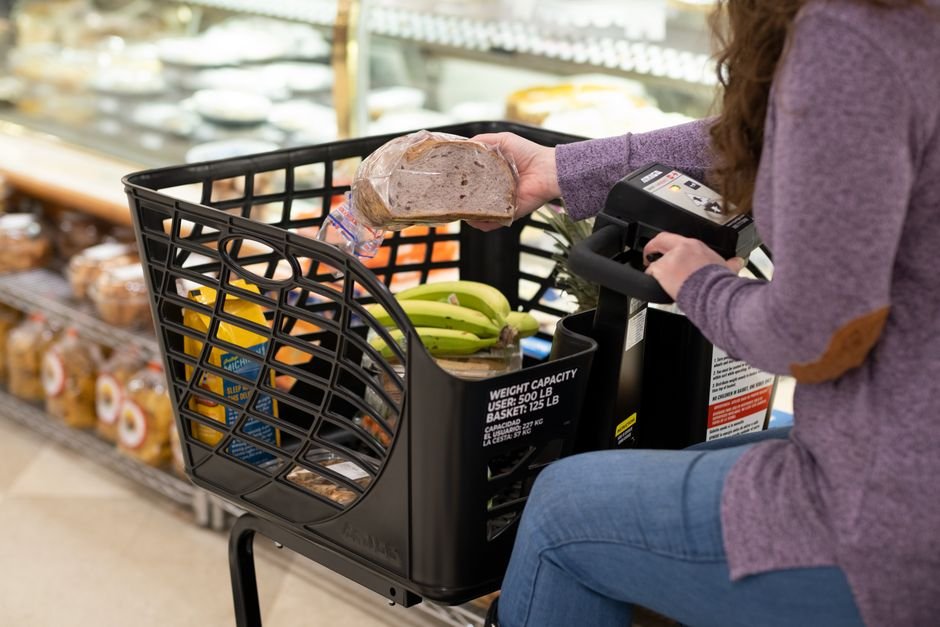
Grocery and daily needs
Fast repeat ordering, delivery slot selection and substitutions, tuned for habitual shoppers and small baskets.
Slots · Reorder · Search

Electronics and gadgets
Specification comparison, compatibility notes and warranty information presented clearly alongside strong product galleries.
Compare · Specs · Warranty

Furniture and home
Large imagery, room views, delivery and assembly details, and enquiry paths for made-to-order pieces.
Room views · Delivery · Enquiry

Jewellery and gifting
High trust and high consideration: detailed photography, certification information, gift options and assisted purchase by chat or call.
Trust · Gifting · Assisted sale

Wholesale and trade catalogue
Login-based pricing, quick order forms and reorder lists for repeat business buyers, designed for speed over decoration.
Account pricing · Quick order · Reorder

Multi-seller marketplace
Seller profiles, listing quality rules, ratings and dispute paths, with shopper-facing design that stays consistent across vendors.
Vendors · Ratings · Disputes
These are the kinds of projects we take on; we share relevant examples during a call.
How we work with Bengaluru businesses
We work with store owners, D2C founders and retail teams around Bengaluru, from Indiranagar and Koramangala to HSR Layout, Whitefield and Electronic City, and with overseas brands that sell into India or from India. You can read how we support teams in those areas in our posts on Koramangala, Indiranagar, HSR Layout, Whitefield and Electronic City.
- Meetings
- In person around Bengaluru when useful, otherwise video calls at times that suit your team.
- Review rhythm
- Design reviews at each milestone with clickable prototypes, so feedback is about real screens.
- Ownership
- Your domain, store accounts, design files and code repositories stay in your name.
- India readiness
- GST-ready invoicing, local shipping and payment options, and handling of customer data in line with India’s Digital Personal Data Protection Act, 2023, in general terms. Confirm obligations with your own advisers.
- After launch
- Support and improvement plans through website maintenance and security services.
How to choose an e-commerce design partner
Whether you work with us or someone else, these questions separate real e-commerce design skill from template reselling.
- Can they show the thinking, not just screenshots?Ask for wireframes, flow diagrams and the reasoning behind checkout decisions.
- Do they design on real devices?Prototypes should be tested on phones, including modest ones, not only on a designer’s large monitor.
- What happens to speed and SEO?A good partner talks about image handling, page weight, structured data and redirects without being asked.
- Who owns what?Design files, code and accounts should be yours from day one.
- How do they handle change?Stores evolve with every campaign. Ask how new templates and components are added after launch.
If you need broader context, our guides on conversion optimisation and multi-vendor marketplace development explain related decisions in more depth.
Sources and further reading
We build to published guidance wherever it exists. These are the references we point clients to.
Frequently asked questions
How is e-commerce website design different from normal website design?
A store has to guide people through search, comparison, trust checks and payment, so the design covers catalogue structure, product pages, cart and checkout, not only appearance. Success is measured in completed orders rather than page views, which changes how every screen is planned.
Do you design for a specific platform?
We design the shopping journey first and then build on the platform that fits, whether Shopify, WooCommerce, a headless storefront or a custom stack. This avoids letting a theme dictate your customer experience. We explain trade-offs in plain terms during discovery.
Will my store work well on mobile phones?
Yes, phones are the primary design target. We prototype on real devices, keep pages light for mobile data, size tap targets for thumbs and simplify forms. Desktop and tablet layouts are then designed as extensions of that mobile experience.
Can you redesign my existing store without losing search rankings?
That is the aim. We audit current URLs, content and structured data, plan redirects and keep page parity where it matters. No agency can promise ranking outcomes, but a careful migration removes the avoidable risks. Our redesign SEO checklist describes the steps.
Which payment methods can the checkout support?
Indian payment gateways, UPI, cards, wallets and cash on delivery can all be supported where your business model allows. We design the payment step clearly and integrate with the provider you select, leaving card data handling to certified payment providers.
How long does an e-commerce design project take?
It depends on catalogue size, number of templates, integrations and feedback speed. As general industry guidance, a focused store takes a few months, and complex builds take longer. We provide a phased plan after discovery rather than a blanket promise.
What do I receive at the end of the design phase?
You receive journey maps, wireframes, clickable prototypes, a visual design system covering colours, type and components, and handoff files for development. If we also build the store, those designs become working templates and you keep ownership of everything.
Do you help with product photography and content?
We advise on image standards, shot lists and product copy structure, and we can plan content templates so your team can add products consistently. For photography itself we usually suggest working with a specialist photographer and can brief them.
How do you handle accessibility and legal basics?
We aim for WCAG 2.2 AA in navigation, forms and checkout, and we include clear policy pages, consent handling and GST-aware invoicing flows. We are not a law firm, so confirm obligations with your advisers, including under India’s Digital Personal Data Protection Act, 2023.
Can you support the store after launch?
Yes. After go-live we can continue with updates, security, backups, monitoring and design improvements based on analytics. See our website maintenance and security services page for how that support typically works, then contact us to discuss your needs.
Planning a new store or a redesign?
Tell us about your products and customers and we will suggest a sensible way forward.