
SaaS Application Development
Sigmato handles SaaS application development from first architecture decision to a secure, multi-tenant product your customers pay for every month.
- Multi-tenant architecture designed for growth
- Subscription billing, trials and usage-based plans
- Hosting on AWS, Azure or Google Cloud
- Migration of legacy software to a SaaS model
Get a Free SaaS Quote
Software as a service (SaaS) delivers applications over the internet on a subscription, with the provider running the infrastructure, updates and security. Our SaaS application development team designs and builds those products: the customer-facing app, the admin console, billing, tenant isolation and the cloud platform underneath.
For your customers, SaaS means lower upfront costs, access from any device and updates without installs. For you, it means recurring revenue, one codebase to maintain and direct insight into how the product is used. Getting the architecture right early is what keeps those advantages as you grow.
SaaS Development Services
SaaS product discovery
Validate the problem, define pricing tiers and plan an MVP. Our guide on how to build a SaaS product explains the approach.
Multi-tenant architecture
Shared, isolated or hybrid tenancy chosen for your security and cost needs, as covered in multi-tenant SaaS architecture.
Web and mobile apps
Responsive front ends in React or Angular, APIs in Node.js or Django, plus companion mobile apps.
Subscription billing
Plans, trials, coupons, usage metering, invoicing and tax handling through established billing platforms.
Cloud and DevOps
Infrastructure as code, CI/CD, monitoring and auto-scaling. See our cloud application development service.
Legacy-to-SaaS migration
Move desktop or on-premise software to the cloud, including data migration, SSO and re-architecture where needed.
How We Build a SaaS Product
- Discovery. Users, competitors, pricing model and the smallest feature set people will pay for.
- Architecture. Tenancy model, data design, authentication, roles and the cloud platform.
- MVP development. Agile sprints with demos, building onboarding, core features, billing and an admin console.
- Security and compliance. Encryption, SSO, audit logs, backups and privacy controls reviewed before launch.
- Launch and scale. Monitoring, alerting and performance tuning as tenants and data grow.
Migrating Legacy Applications to SaaS
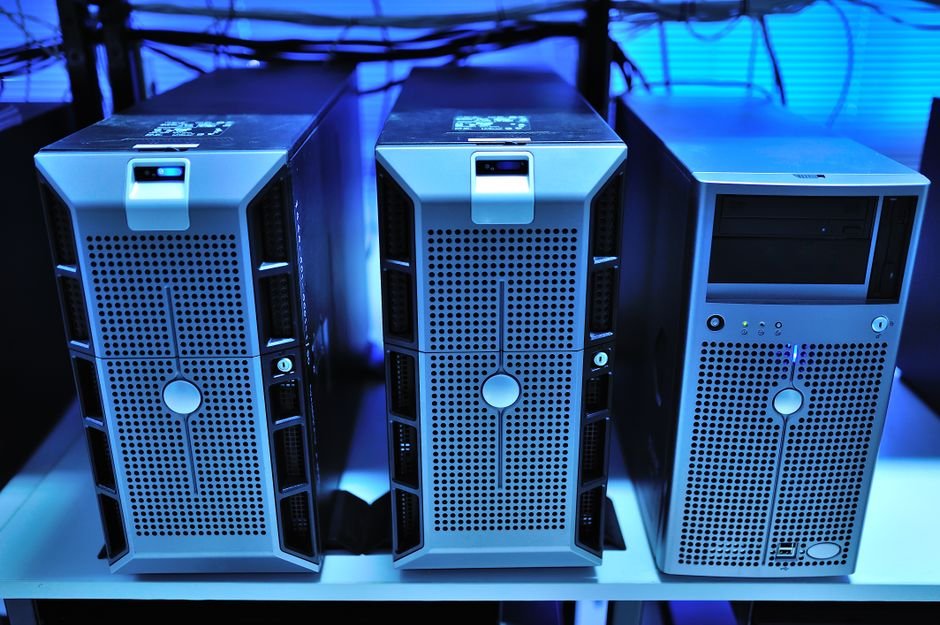
Many businesses own valuable software that still runs on local servers. We assess the existing application, decide how much to re-host, refactor or rebuild, and plan the infrastructure it needs. Data migration is treated as its own workstream, with validation and rollback plans. We add single sign-on, monitoring, alerts and automated updates so the result behaves like a modern SaaS product. Our article on the 7 Rs of cloud migration explains the options.
| Tenancy model | How it works | Best for |
|---|---|---|
| Shared database, shared schema | All tenants in one database, separated by tenant ID | Early-stage products with many small customers |
| Shared database, separate schemas | One database, a schema per tenant | Mid-market products needing stronger separation |
| Separate databases | Each tenant has its own database | Enterprise or regulated customers with strict isolation needs |
Features Every SaaS Product Needs
- Self-service onboarding. Sign-up, email verification, a guided first session and sample data so users reach value quickly.
- Roles and permissions. Owners, admins and members per account, with SSO for business customers.
- Billing and plan management. Upgrades, downgrades, invoices and failed-payment handling without support tickets.
- Usage analytics. Product events and dashboards that show which features drive retention.
- Integrations and APIs. Public APIs and webhooks so customers can connect your product to their ERP, CRM or other tools.
Why Choose Sigmato for SaaS Application Development
- Well-architected foundations. We design against the AWS Well-Architected Framework pillars of security, reliability, performance and cost.
- Security first. Common web risks from the OWASP Top 10 are addressed in design and code review.
- Privacy aware. Data handling planned with laws such as the GDPR in mind, especially for European customers.
- Cost-conscious. Sensible defaults and cloud cost optimisation so hosting bills grow slower than revenue.
- Product thinking. We care about onboarding, activation and retention, not just features.
Who It's For
Founders launching a new SaaS product, software companies moving from licences to subscriptions, and businesses turning an internal tool into a product they can sell to others.
SaaS Development in Bengaluru and Worldwide
Our engineering centre is in Jayanagar, Bengaluru, and our UK branch is in Fleet, Hampshire. Founders in Bengaluru can meet us in person; we also build SaaS products remotely for clients in the UK, US, Middle East and beyond. See the countries we serve or our services for US companies.
Frequently Asked Questions
How much does SaaS application development cost?
It depends on features, integrations, tenancy model and compliance needs. Our SaaS development cost guide gives realistic ranges, and we quote after discovery.
How long does it take to launch a SaaS MVP?
Most SaaS MVPs take three to five months, including billing, onboarding and an admin console.
Which cloud provider should we use?
AWS, Azure and Google Cloud are all solid choices. We recommend one based on your team, customers and required services.
Can you convert our existing software to SaaS?
Yes. We assess the codebase and recommend re-hosting, refactoring or rebuilding, with a phased migration plan.
Who owns the code and data?
You do. The code, cloud accounts and customer data belong to your company.
Build Your SaaS Product
Share your idea or existing product, and we will propose an architecture, a phased plan and a clear quote.