
Web Design in Bangalore: Studio-Led Process
Web design in Bangalore built on research, clear structure and accessible, fast interfaces, run as a transparent process by designers who work alongside engineers.
- UX research
- UI design
- Design systems
- WCAG 2.2 AA goal
- Mobile first
Get a free consultation
Tell us about your app. We reply with next steps and a rough plan.
- No obligation
- NDA on request
- You own the code
What does good web design in Bangalore involve?

Web design is often described as how a site looks. In practice it is the discipline of deciding what a visitor sees first, what they can do next and why they should trust you enough to do it. Colour and typography matter, but they sit on top of decisions about structure, language and flow. A site that photographs well in a pitch deck and still loses visitors on a phone has been styled, not designed.
Sigmato is a software and mobile app development company with teams in Bengaluru and the UK, and our design work sits next to engineering rather than apart from it. That matters for businesses in Indiranagar, Koramangala, HSR Layout, Whitefield and across the city: the people who design the page also understand what it costs to build, so the result is realistic. If you are comparing partners, this page explains how we think about design, how a project runs and what you receive. If your question is about choosing a site type and budget, read our guide on website design in Bangalore; if you are weighing bespoke work against templates, see custom website design in Bangalore.
Our design approach, in six decisions
We treat design as a sequence of decisions that can each be checked, not a single creative reveal. The order matters because each stage removes a kind of risk before the next one spends money on it.
Research before pixels
Stakeholder interviews, a review of how people currently find and use your site, and a look at the questions customers ask your sales or support team. This tells us what the page must answer.
Structure and content first
Sitemaps and wireframes show what goes where, in grey boxes, before colour distracts anyone. We write or restructure key copy at this stage, because real words change layouts.
Visual and brand design
Typography, colour, imagery and spacing chosen to express your brand and stay readable. We work from your existing identity or help you extend it for the web.
A design system, not loose pages
Buttons, forms, cards and layouts defined once and reused, so new pages stay consistent and are cheaper to add later.
Accessibility from the start
Contrast, focus states, keyboard use and clear labels are designed in, with WCAG 2.2 AA as our working target.
Designed for the phone first
Most Indian visitors arrive on a mobile browser over variable connections, so we design the small screen first and let larger screens add, not rescue.
We also keep a clear line between taste and evidence. If a stakeholder dislikes a colour, that is worth hearing; if a layout is hiding the contact form, that is worth fixing, and we say which is which.
Where UX research, design systems and brand fit in
What UX research looks like on a web project
For most business sites we do not run a large research programme. We run a small, focused one: a handful of conversations with customers or staff, a walk through the current analytics, and a task test where someone attempts to find a service, book a call or buy a product while we watch. Even a few sessions reveal patterns such as confusing menu names, missing trust information or forms that ask too much too early.
What a design system gives you
A design system is a documented set of components and rules: spacing, type scale, colour tokens, form behaviour, error messages and page patterns. It reduces the number of decisions every new page needs, keeps the brand consistent between agencies and in-house teams, and lets developers build from agreed parts. For a growing company in Whitefield or Electronic City adding a new product line each quarter, this is the difference between a site that stays coherent and one that drifts.
Where brand and interface meet
A logo and a colour palette do not tell a developer how a button should behave when it is disabled. We translate brand guidelines into interface rules, and where a brand has no web guidance yet, we propose it and ask for approval before building on it.
Which design activities does your project need?
| Design activity | What it answers | What you receive | When it matters most |
|---|---|---|---|
| Discovery and research | Who visits, what they need, what blocks them | Findings summary, goals, prioritised page list | New brands, redesigns, sites with falling enquiries |
| Information architecture | How content is grouped and named | Sitemap, navigation model, page templates | Sites with many services or products |
| Wireframes | Where each element sits on each template | Clickable low-fidelity layouts | Before any visual design is approved |
| Visual design | How the brand looks and feels on screen | Page designs for desktop and mobile | Brand-led and consumer-facing sites |
| Design system | How parts are reused and extended | Component library and usage rules | Growing sites and multi-team ownership |
| Accessibility review | Whether people with different abilities can use it | Issue list fixed before launch | Public services, education, healthcare, any large audience |
Swipe sideways to see the full table on small screens.
Not every project needs every row. A small clinic site might combine wireframes and visual design in a short cycle, while a multi-service company benefits from the full set. We tell you which activities we would skip and why.
How a web design project runs
- Discovery call and briefWe learn what the site must achieve, who it serves, what exists today and what constraints apply. You get a short written summary of what we understood so we can correct it early.
- Research and content auditWe review analytics if you have them, look at your existing pages, run small user tests where useful and list what content is missing, outdated or duplicated.
- Structure and wireframesA sitemap and low-fidelity layouts for each page type. You review on screen or in a meeting in person or on video, and we revise before moving on.
- Visual design and prototypeDesktop and mobile designs, with a clickable prototype of the key journeys such as enquiry or checkout, so you experience the flow before it is built.
- Design system and handoffComponents, tokens and rules are documented, and designs are prepared so developers can build without guessing.
- Build, test and launchWe build, test on real devices and browsers, check performance and accessibility, set up redirects and analytics, and launch with a checklist.
- Support after launchA review after real visitors arrive, fixes for anything we missed and a clear route for future changes.
What will you receive at the end?
Design work is easy to dispute later if nobody wrote down what it included. These are the deliverables we agree up front and hand over in editable form.
- Research summary: goals, audiences, key tasks and the problems found, in plain language.
- Sitemap and navigation: every page, how it is named and how people reach it.
- Wireframes: layouts for each page type, annotated with intent and content needs.
- Visual designs: desktop and mobile versions of agreed templates, with states for forms, errors and empty content.
- Interactive prototype: a clickable version for stakeholder review and quick user tests.
- Design system: tokens, components and usage guidance stored in a shared file you own.
- Source files and assets: editable design files, exported images and fonts with licence notes.
- Accessibility notes: what was checked, what was fixed and what needs content owners’ care.
We do not hold files or accounts hostage. Domains, hosting, analytics and design files are registered to your business from the start.
Project styles we design and build

Corporate and professional services sites
Clear service pages, leadership and credentials, case-study templates and enquiry paths that suit longer buying cycles. Design focuses on trust and scannability for busy decision-makers.

E-commerce stores
Product listing, filters, product detail, cart and checkout designed for mobile shoppers, with UPI and card payments, GST-ready invoices and clear delivery information.

Clinics and healthcare
Doctor profiles, services, appointment requests and privacy-aware forms. Readable type and calm layouts matter, as does handling patient data under India’s Digital Personal Data Protection Act, 2023.

Education and LMS
Course catalogues, enrolment, learner dashboards and content libraries that work on shared or low-end devices, with accessible video and downloadable material.
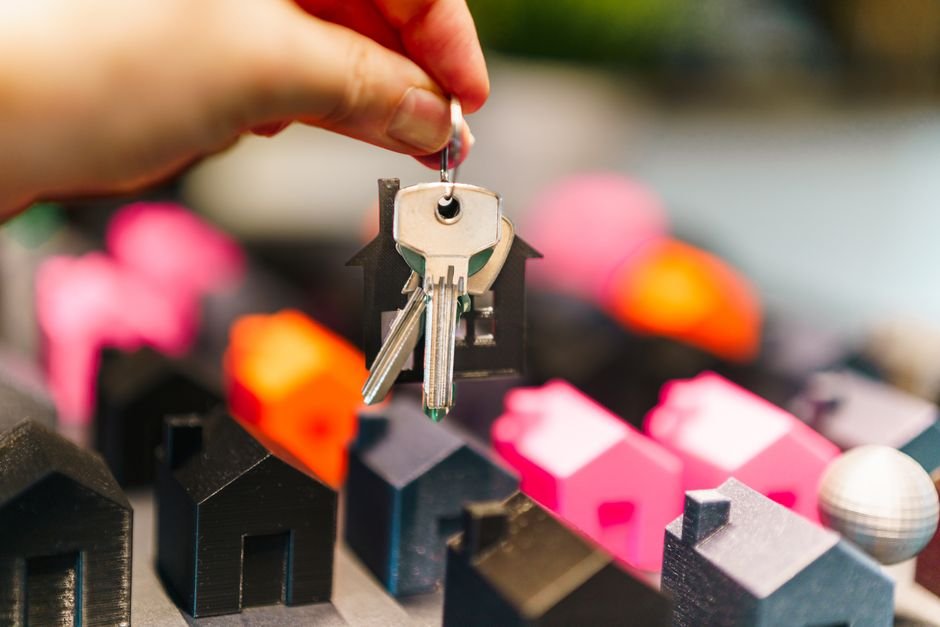
Real estate
Project and listing pages, map and filter search, floor-plan galleries and enquiry capture, designed so image-heavy pages still load quickly on mobile.

Restaurants and hospitality
Menus that are easy to read on a phone, table booking or order links, location and hours, and photography that sells the room without slowing the page.

Startup SaaS marketing sites
Product story, feature pages, pricing structure, sign-up flow and documentation entry points, built on a design system so the site and product feel like one brand.

B2B manufacturing catalogues
Structured product catalogues, specification tables, downloadable datasheets and request-a-quote flows for buyers who compare carefully before contacting anyone.
These are the kinds of projects we take on; we share relevant examples during a call. We also design portfolio sites for creative studios and membership sites for NGOs, with their own needs around media, donations and events.
Performance, accessibility and SEO built in
Speed, access and findability are design outcomes, not afterthoughts bolted on at launch. These are the practices we build into the work.
- Core Web Vitals: we aim for good loading, responsiveness and layout stability by sizing images, limiting heavy scripts and avoiding layout shifts. See our guide to Core Web Vitals.
- WCAG 2.2 AA as a goal: sufficient contrast, visible focus, keyboard operation, labelled forms and meaningful alt text. Our WCAG accessibility page explains what we check.
- Semantic HTML: real headings, lists, buttons and landmarks, so browsers, assistive technology and search engines understand the page.
- Structured data: schema.org markup for organisation, breadcrumbs, FAQs and products where it matches visible content.
- Sitemaps and robots rules: an XML sitemap, clean canonical tags and crawl rules that do not block important pages.
- Redirects: a mapped redirect for every changed address, so existing rankings and links are not wasted. Our website redesign SEO checklist covers the detail.
- Analytics: goals and events defined before launch so you can see which pages produce enquiries, with consent handled properly.
None of this guarantees a ranking. Google’s own guidance stresses helpful, people-first content and a good page experience, and no markup replaces useful writing. What design can do is remove obstacles and make good content easy to read, find and use.
How should you choose a web design partner?
What should a web design brief include?
Your goals in plain terms, who you want to reach, what visitors should do, pages and features you expect, brand material, examples you like and dislike, systems the site must connect to, and any deadlines. If you cannot answer all of it, that is what discovery is for.
How do we judge a design partner?
Look for a clear process, willingness to explain trade-offs, evidence of testing on real devices, honest views on scope and a plan for handover. Ask who actually does the design and how feedback rounds work. Avoid anyone who shows only finished screens and cannot explain the reasoning behind them.
Design first or build first?
Design first for anything beyond a few pages, but keep developers in the conversation. Early advice on what is simple and what is costly prevents beautiful designs that blow the schedule.
How we work with Bengaluru businesses
We work with businesses across Bengaluru, from Indiranagar and Koramangala to HSR Layout, Jayanagar, Whitefield and Electronic City, and with teams elsewhere in India and the UK. The working pattern is simple.
- Meetings: in person where it helps, or on video; we are comfortable with either and share notes after every call.
- Review cadence: a demo at the end of each stage, with feedback gathered in one place so changes stay organised.
- Ownership: design files, code, domain and hosting accounts belong to your business.
- After launch: we stay available for fixes, improvements and new pages under a support arrangement agreed with you.
For area-specific context, see our notes on working with businesses in Koramangala, Indiranagar, HSR Layout, Whitefield and Electronic City. Our broader pages cover website designing in Bangalore and custom website development, and you can reach us on the contact page.
Sources and further reading
We design to public guidance rather than private folklore. These sources are worth reading whoever you hire.
Frequently asked questions
What is the difference between web design and web development?
Web design decides structure, content flow, visuals and interaction; web development turns those decisions into working code. The two overlap and work best together. At Sigmato they are planned in parallel, so designs stay buildable and developers understand intent before they write anything.
How long does a web design project usually take?
As general industry guidance, a small brochure site can be designed in a few weeks, while a larger multi-section or e-commerce site commonly takes a couple of months or more including build. Timing depends mostly on how quickly content and feedback arrive. We give a schedule after discovery.
How much does web design in Bangalore cost?
It depends on page count, custom illustration or photography, amount of research, integrations, accessibility depth and whether a design system is needed. We do not quote without understanding scope. After a discovery call we give an estimate with what is included, so you can compare quotes properly.
Do you design for mobile first?
Yes. Most visitors reach business sites on phones, often on variable networks, so we design the small screen first and then adapt upward. We test on real devices, not only browser emulators, and check touch targets, text size, forms and loading behaviour.
Will my website be accessible?
We design and test towards WCAG 2.2 AA as a goal, covering contrast, keyboard use, focus states, labels and alt text. Full conformance also depends on content added later, so we hand over guidance for editors. We cannot promise legal compliance, but we reduce real barriers.
Can you redesign my existing site without losing search traffic?
Often yes, with planning. We audit what ranks today, keep high-value content, map every old address to a new one with redirects and monitor after launch. Rankings can still move after any redesign, and nobody can guarantee otherwise, but careful migration reduces avoidable losses.
Who owns the designs and the website after launch?
You do. Design files, code, content, domain, hosting and analytics accounts are set up in your business name and handed over with documentation. Third-party fonts, stock images or plugins keep their own licences, and we list them so there are no surprises.
Do you provide content and copywriting?
We help shape structure, headings and key messages, and can guide you on what each page needs to say. Full copywriting or photography is scoped separately if you want it. Real content early in the project almost always produces a better design than placeholder text.
Can you work with our brand guidelines or create a brand?
Both. If you have guidelines we follow them and flag gaps for the web, such as how buttons or forms should behave. If you have only a logo, we propose type, colour and component rules for approval. Complete brand identity projects are discussed separately.
What happens if I want changes after launch?
Small fixes and content updates are simple, especially with a design system and a CMS you can edit. Larger additions, such as new sections or features, are scoped as follow-on work. We keep support available so changes do not depend on one person’s memory.
Planning a web design project?
Tell us what the site needs to achieve and we will suggest a sensible scope after a short call.