
Custom Website Design in Bangalore
A custom website is designed around your customers, your content and your systems instead of being fitted into a template. Sigmato designs and builds bespoke sites for Bengaluru businesses, and hands over everything you own.
- Bespoke design system
- Headless or classic CMS
- Fast by design
- Accessible
- You own the code
Get a free consultation
Tell us about your app. We reply with next steps and a rough plan.
- No obligation
- NDA on request
- You own the code
Is custom website design worth it, or is a template enough?
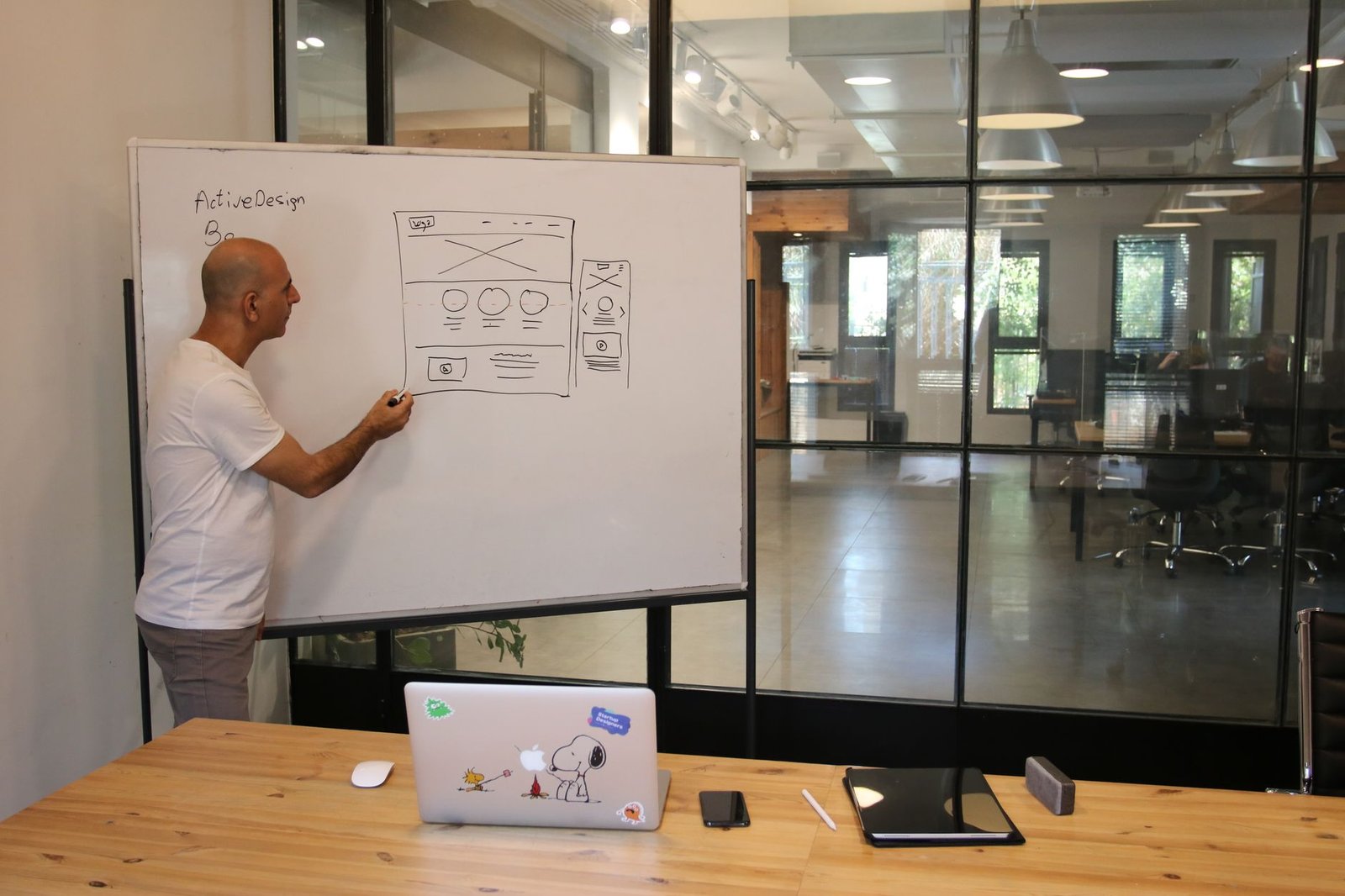
Most teams that contact us are not choosing between good and bad. They are choosing between speed of setup and long-term fit. A template gets a site live quickly, but you inherit its structure, its plugin habits and its limits. A custom build costs more thought up front and pays back where your business is unusual: unusual products, unusual journeys, unusual data.
This page is written for teams in Indiranagar, Koramangala, HSR Layout, Whitefield and across Bengaluru who are weighing the two routes. If you are earlier in the process and still deciding what type of site you need, read our guides on web design in Bangalore and website design in Bangalore. For the engineering side, see our custom website development and website designing pages.
Custom design versus a template: how to decide
The honest answer depends on what the site has to do for the next few years, not on what looks good in a demo. Use the comparison below as a starting checklist, then test each row against your own plans.
| Question | Template or theme usually fits | Custom design usually fits |
|---|---|---|
| Page types | Standard pages: home, about, services, contact, blog | Many distinct page types, configurators, dashboards, gated areas |
| Brand expression | Your logo and colours applied to an existing layout | Layout, motion, type and components designed around your brand |
| Integrations | Common plugins for forms, payments and email | ERP, CRM, inventory, booking engines, internal APIs, single sign-on |
| Performance | Acceptable if plugins are kept few | Budgeted per page, with only the code each page needs |
| Content workflow | One or two editors, simple publishing | Roles, approvals, multi-language, structured reusable content |
| Change over time | Stays stable, small edits only | Expects new sections, products and journeys every quarter |
| Compliance and security | Basic hardening and updates | Data handling rules, audit needs, tighter access control |
Swipe sideways to see the full table on small screens.
A useful rule: if you can describe your site in a list of standard pages, start with a template. If you describe it as a set of journeys or workflows, custom design will probably save you rework.
There is also a middle path: a lightly customised build on a solid CMS, with a small set of purpose-built components. We will tell you if that is the better fit, because recommending more than you need is not good for either of us.
When does a custom website pay for itself?
Custom work is easiest to justify when it removes a recurring cost or unlocks something a template cannot do. These are the situations where we most often see it make sense:
- Your offer needs explaining visually. Products with options, services with tiers, or processes that benefit from calculators, comparison tools or guided forms.
- You sell through the site. A bespoke catalogue, checkout or quote flow that matches how your team really prices and ships.
- You have systems behind the site. Stock, bookings, memberships, student records or customer accounts that the website must read from and write to.
- You publish a lot. Hundreds of pages of structured content such as listings, courses, case notes or catalogue entries need a content model, not a pile of pages.
- Speed is part of the product. Mobile users on variable networks punish heavy themes. Custom builds let you cap what each page loads.
- You are investing in the brand. A design system lets many teams and campaigns stay consistent without a designer reviewing every page.
When none of these apply, a template with careful content and good photography is a respectable choice, and we will say so.
What is a custom design system, and why does it matter?
A design system is the set of reusable decisions behind your site: colour tokens, type scale, spacing, buttons, forms, cards, navigation, page layouts, and rules for how they combine. In a template you borrow someone else’s. In a custom project we create yours.
What it gives you
- New pages are assembled from approved components, so they look consistent without a design round each time.
- Accessibility is built into each component once, including focus states, contrast and keyboard behaviour, instead of fixed page by page.
- Developers and designers work from the same library, which cuts the drift between the design file and the live site.
- Future work, such as a mobile app or campaign microsite, can reuse the same tokens and patterns.
What we deliver
You receive a documented component library, design tokens, page templates for each content type, and guidance on writing and image use. The design files and the coded components are both yours.
Which CMS and framework should a custom site use?
Technology should follow your content and team, not trends. We choose the simplest stack that meets the requirements, and we explain the trade-off in plain language before you commit.
| Approach | Good for | Watch out for |
|---|---|---|
| Custom theme on a classic CMS such as WordPress | Marketing-led teams who want familiar editing and a large ecosystem | Plugin sprawl and update discipline; keep dependencies few and reviewed |
| Headless CMS with a modern front end (for example Next.js or similar frameworks) | Multi-channel content, strong performance targets, custom interfaces | More moving parts; needs a team or partner comfortable with both sides |
| Static or hybrid-rendered site with a lightweight content layer | Documentation, marketing and content-heavy sites that change moderately | Preview and scheduling features need planning |
| Custom application with a built-in admin | Portals, marketplaces, booking and membership with complex rules | Larger scope; treat it as a product, not a brochure |
Swipe sideways to see the full table on small screens.
We often recommend a structured content model whichever route you pick: define content types such as product, service, location, case note and article, with fields for each, so editors fill in forms instead of fighting layouts. If your needs lean towards an application, see our guide to custom web application development, and for systems that must talk to each other read about API-first development.
How a custom website design project runs
Every project is different in size, but the shape is consistent. You see work at each stage and decide before we move on.
- Discovery and goalsWe meet in person in Bengaluru or on video, review your audience, content, systems and constraints, and agree what success looks like. You get a written scope.
- Content model and structureWe map page types, navigation and reusable content, and flag what needs writing, photography or migration.
- Design direction and systemWe design key screens, then the component library and tokens behind them, for desktop and mobile.
- Prototype and reviewYou click through a prototype of important journeys. We test it with real tasks and adjust before building.
- Build and integrateDevelopers build components and templates, connect the CMS and integrations, and set up analytics, redirects and performance budgets. You see working builds regularly.
- Launch and supportWe test across devices, run a launch checklist, go live, and stay available for fixes and improvements. Credentials and files are handed over to you.
Performance, accessibility and SEO built in
These are not extras added at the end. In a custom build they shape the design and the code from the first sprint.
Performance
- We design to Core Web Vitals targets: fast main content, stable layouts and responsive interaction. Read our notes on Core Web Vitals.
- Images are sized, compressed and served in modern formats with explicit dimensions; fonts are limited and preloaded sensibly.
- Scripts are loaded only where a page needs them. Third-party tags go through a review.
Accessibility
- We aim for WCAG 2.2 AA as a goal, tested with keyboard, screen reader and contrast checks. See our WCAG accessibility guide.
- Components ship with visible focus, proper labels, error messages and sensible heading order.
SEO foundations
- Semantic HTML, a clean heading hierarchy, descriptive titles and meta descriptions, and structured data using schema.org where it fits.
- XML sitemaps, canonical tags, a redirect map for any old URLs, and analytics events planned before launch.
- If you are replacing an existing site, follow our website redesign SEO checklist so rankings are protected.
No agency can promise a ranking or a score. What we can do is build a site that search engines can crawl, people can use, and your team can measure.
Integrations, security and data protection
Custom sites often sit in front of real business systems, which raises the bar for care.
- Integrations. We connect CRMs, payment gateways including UPI and cards, GST-ready invoicing tools, booking engines, ERPs and analytics, using documented APIs and clear error handling.
- Access control. Editors, managers and admins get only the permissions they need; admin areas are protected with strong authentication options.
- Data protection. If you collect personal data, we help you design consent, retention and deletion in line with India’s Digital Personal Data Protection Act, 2023, and with GDPR or UK GDPR where you serve users in those regions. This is general guidance, not legal advice; confirm obligations with your advisers.
- Hardening. Input validation, secure headers, dependency updates, backups and monitoring are part of the plan, not a favour.
For apps that accompany the site, our article on mobile app security best practices covers the same principles on the mobile side.
Handover and ownership: what you receive
Many businesses discover too late that they do not control their own website. We set expectations at the start so there are no surprises:
- Domain, hosting and analytics accounts are registered in your name, with us added as collaborators where needed.
- Source code is delivered in a repository you own, with a readme that explains how to run and deploy it.
- Design files and the component library are yours, along with brand assets and licensed fonts or images you paid for.
- Editors get short training and written guides for the content workflow.
- Documentation covers the stack, integrations, environment settings and how to restore a backup.
If you later choose another team to maintain the site, they can pick it up without needing us. That is the point of building it properly.
Project styles we design and build
Custom design takes different shapes depending on the sector. These are typical styles and what each usually involves.

Corporate and services website
A structured site for a company with several services, leadership pages, insights and careers. Often includes a content model, locations and role-based editing for multiple teams.

E-commerce store
A tailored catalogue, product options and checkout that follow how you price and ship. Typically includes search and filters, GST-ready invoicing and Indian payment methods.

Clinic and healthcare site
Clear service pages, doctor profiles, appointment booking and reminders with careful handling of patient data. Accessibility and plain language matter most here.

Education and LMS
Course listings, enrolment, learner accounts and progress tracking connected to a learning platform. Often needs payments, certificates and role-based access.

Real estate showcase
Project and listing pages with galleries, floor plans, map views and enquiry routing to sales teams. Content comes from a structured inventory.

Restaurant and hospitality
Menus, reservations, event enquiries and location pages tuned for phones. Fast loading and easy menu updates are the priorities.

Startup SaaS marketing site
A product-led site with feature pages, pricing explanations, documentation and a sign-up flow connected to your app. Built to iterate quickly with a shared component library.

B2B manufacturing catalogue
A searchable product catalogue with specifications, downloads and quote requests that feed your sales process. Structured data keeps hundreds of items manageable.
These are the kinds of projects we take on; we share relevant examples during a call.
How we work with Bengaluru businesses
Many of our conversations start with teams in Koramangala, Indiranagar, HSR Layout, Whitefield, Electronic City and Jayanagar. You can see how we write about those areas in our posts on Koramangala, Indiranagar, HSR Layout, Whitefield and Electronic City.
- Meetings. In person in Bengaluru when it helps, or on video when it is quicker.
- Review cadence. A regular demo of working designs and builds, with written notes after every session.
- Ownership. Files, code and accounts belong to you from the start.
- After launch. Support, fixes and improvements are available, and a maintenance plan is agreed before go-live.
Ready to talk? Use the form at the top of this page or visit our contact page. We give an estimate after a discovery conversation, once the scope is clear.
Sources and further reading
We build to published, independent guidance rather than rules of our own. These references are worth reading whichever team you choose.
Frequently asked questions
What is custom website design?
Custom website design means creating the layout, components, content structure and code for a specific business instead of adapting a ready-made theme. It lets the site follow your brand, customer journeys and systems, and gives you more control over performance, accessibility and future change.
Is a custom website better than a template?
Not always. A template suits simple sites with standard pages and a small team. Custom design is better when you have unusual journeys, integrations, large structured content, strict performance goals or a brand that needs room to grow. We recommend whichever fits your plans, even if that is a template.
What does the cost of a custom website depend on?
Cost follows scope: number of page types, depth of the design system, integrations, content migration, languages, security needs and who writes the content. A focused marketing site sits at the simple end, a catalogue or portal at the complex end. We provide an estimate after discovery.
How long does a custom website take?
As general industry guidance, a focused custom marketing site commonly takes several weeks to a few months, and sites with integrations or portals take longer. Content readiness and review speed often matter more than development. We agree a schedule with milestones once scope is clear.
Which CMS will you use?
It depends on your editors and goals. WordPress with a custom theme suits many marketing teams. A headless CMS with a modern framework suits multi-channel content and tight performance budgets. We explain the trade-offs and choose the simplest option that meets your requirements.
Will I own the website and the code?
Yes. Domain, hosting, analytics, source code, design files and the component library are set up in your name or delivered to you at handover, with documentation. Third-party licences, such as fonts or paid plugins, stay under their own terms.
Can you make the site accessible?
We design and build with WCAG 2.2 AA as a target, using semantic HTML, keyboard support, readable contrast and tested forms. Accessibility is checked with tools and manual testing. Full conformance also depends on the content your team adds later, so we provide editor guidance.
Can you integrate my existing systems?
Usually, yes. We connect CRMs, payment gateways including UPI, booking engines, ERPs and analytics through their APIs. We review documentation and access during discovery, so any limitations on the other system are known before we commit to a design.
Will a custom site help my SEO?
It can help, because we control structure, speed, markup and redirects. It does not guarantee rankings; those depend on content quality, competition and many other factors. We build the technical foundations and give you analytics to measure progress.
Do you provide support after launch?
Yes. We stay available for fixes, updates, security patches and improvements, and we agree a maintenance arrangement before go-live. If you prefer another team later, the documentation and repository make handover straightforward.
Plan your custom website with Sigmato
Tell us about your business, goals and systems. We will suggest the right level of customisation and give an estimate after discovery.