
Home › Services › B2B e-commerce
B2B e-commerceB2B E-commerce Website Development in Bangalore
Trade portals for manufacturers, distributors and wholesalers: account-specific pricing, quotes, bulk ordering and credit terms, connected to your ERP and built by our Bengaluru team.
Talk to our team
Tell us what you need. We reply with next steps and a rough plan.
No obligation. NDA on request.
What B2B e-commerce website development involves
Most searches for B2B e-commerce website development in Bangalore come from a company that already sells well by phone, email and spreadsheets and now wants buyers to serve themselves. The goal is rarely a pretty storefront. It is fewer order-entry errors, faster quotes, and a sales team that spends its time on accounts instead of re-typing purchase orders.
A consumer shop assumes a stranger, one price list and a card payment. A trade portal assumes a known customer, many price lists, several buyers per account and an invoice paid weeks later. That difference shapes the data model, the checkout and the integrations, so it is worth settling before anyone picks a platform. Our guide to B2B e-commerce portals covers the wider picture; this page focuses on how we build them.
- Buyers
- Companies with several users, roles and delivery sites
- Pricing
- Per-account lists, tiers, contract rates and quote-based items
- Ordering
- Quick order by SKU, CSV upload, reorder and saved lists
- Payment
- Credit limits, purchase orders, invoices and online payment
- Back office
- ERP, CRM, inventory and shipping kept in sync
How business buyers shop

How B2B buyers shop differently
A procurement lead does not browse; they know the part number and want to be done in two minutes. An office manager reordering the same consumables every month wants last quarter’s basket one click away. A finance approver wants to see the total, the cost centre and the terms before saying yes. Good B2B design serves all three without forcing them through a retail funnel.
So the interface favours search by SKU and attribute, dense tables over large tiles, visible stock and lead times, and reorder shortcuts. Retail conventions such as pop-ups, countdown timers and discount banners usually work against you here. We still care about mobile, because site managers and field staff often order from a phone on a shop floor.
Before design starts we interview two or three real buyers and a salesperson. Their words, not our assumptions, decide what sits on the first screen.
Account pricing, quotes and RFQ
Account-specific pricing and catalogues
The first technical question is how prices are decided today. In many firms the answer lives in a spreadsheet, an ERP price list and the head of one sales manager. A portal must express those rules clearly or buyers will see wrong numbers and lose trust on the first login.
- Customer groups and price listsEach company is mapped to a group or a dedicated list, so two buyers can see different prices for the same product.
- Volume breaks and contract ratesQuantity tiers, fixed contract prices and validity dates are stored with the account, not hard-coded into products.
- Hidden or restricted productsSome catalogues are visible only to approved accounts, regions or distributors, which matters for dealer networks and regulated goods.
- Tax and unit handlingGST-ready invoices, units of measure, pack sizes and minimum order quantities are modelled at product level.
- Price source of truthPrices either flow from the ERP or are managed in the portal, and we agree which before build begins.
Showing the wrong price is worse than showing no price. For items that cannot be priced automatically we show a clear request-a-quote action instead of a guess.
Quotes, RFQ and negotiated orders
Many B2B sales are not add-to-cart purchases. Custom dimensions, large volumes or changing raw-material costs mean the price has to be agreed. A request-for-quote flow turns that conversation into something trackable.
- Step 1RequestBuyer builds a list, adds notes and attachments such as drawings, and submits it from their account.
- Step 2ReviewSales sees the request in a queue, with account history and current stock beside it.
- Step 3QuoteA priced quote with validity date and terms is issued, revised if needed, and kept as a version trail.
- Step 4AcceptThe buyer accepts online; the quote converts to an order with the agreed price locked.
- Step 5FulfilThe order flows to the ERP for picking, invoicing and dispatch.
The same engine can power a hybrid model: standard items sold at listed prices and special items quoted, in one basket.
Bulk and repeat orders

Bulk orders and repeat purchasing
Repeat orders are where a portal pays back. We build quick-order forms where a buyer pastes or types SKUs and quantities, CSV upload for large lists, saved shopping lists per team, and a reorder button on past orders. Validation happens as they type: unavailable items, minimum quantities and pack-size mismatches are flagged before checkout, not after dispatch.
For scheduled supply, a standing order or subscription can place the same basket on a cadence, with a reminder before each run. Partial shipments, backorders and multiple delivery addresses per order are supported where your logistics allow.
- Search that understands part numbers, old codes and common spellings
- Stock and lead time by warehouse or location
- Shared carts so a buyer can hand a draft to an approver
ERP and CRM integration
ERP, CRM and system integration
A B2B portal that does not talk to your back office just moves the re-typing from email to a different screen. Integration is usually the largest part of the work, and the part most worth scoping honestly. The table shows what normally moves, and which direction.
| Data | Typical direction | What to decide |
|---|---|---|
| Products and stock | ERP to portal | How often to refresh, and what happens when stock changes mid-checkout |
| Customer accounts and price lists | ERP or CRM to portal | Who creates a new buyer and how approval works |
| Orders and quotes | Portal to ERP | What the ERP does if validation fails, and who is alerted |
| Invoices, statements, balances | ERP to portal | Whether buyers can download and pay invoices online |
| Shipments and tracking | Warehouse or carrier to portal | How delivery status reaches the buyer |
| Leads and activity | Portal to CRM | Which events create tasks for the sales team |
Swipe sideways to see the full table on small screens.
We build integrations through an API layer or middleware with queues, retries and an admin view of failures, so a slow ERP does not stop an order. Our notes on API-first development and our API integration service explain the approach. If your ERP has no usable API, we say so early and propose a safe alternative.
Approvals, roles and credit terms
Approvals, roles and credit terms
A company account is not one person. We model a buyer company with several users, each with a role, spending limit and set of cost centres or sites. Approval rules route orders above a limit, or containing certain categories, to a manager before they reach you.
What the buying company controls
- Adds and removes its own users
- Sets limits per user or per site
- Chooses approvers and delegates
- Sees all orders, invoices and statements for the account
What your team controls
- Approves new accounts after KYC and credit checks
- Assigns credit limits and payment terms
- Places holds on overdue accounts
- Decides which catalogues and prices each account sees
Payment options follow the account. Trusted accounts check out on credit against a purchase order or limit; new or occasional buyers pay online through Indian payment gateways, UPI, cards or bank transfer. Overdue balances can pause credit checkout automatically. We design these rules with your finance team, because a technical rule that finance does not recognise will be switched off within a month.
Which platform suits a B2B store?
Choosing a platform for B2B
No single platform fits every wholesale business. We choose after discovery, based on catalogue size, price complexity and integration needs, not on what we happen to prefer.
| Option | Fits when | Watch out for |
|---|---|---|
| Shopify with B2B features | Moderate catalogue, company accounts and price lists are enough, quick launch matters | Very complex pricing or approval logic may need custom apps. See our Shopify development page |
| WooCommerce on WordPress | You want full control, a content-heavy site and custom rules | Plugin sprawl, hosting and upkeep need discipline. See WooCommerce development |
| Headless storefront with commerce API | Large catalogue, several brands or channels, custom buyer experience | Higher build effort; worth it only when the flexibility is used. See headless Shopify |
| Fully custom portal | Highly specific workflows such as configure-to-order or tight ERP coupling | You own more of the maintenance; plan for it |
Swipe sideways to see the full table on small screens.
If you are weighing the first two, Shopify vs WooCommerce sets out the trade-offs. For marketplaces that host many sellers, see multi-vendor marketplace development.
Security, performance and search visibility
Security, performance and visibility
A portal holds contract prices and order history that competitors would love to see, so access control is a core feature, not an add-on. We test for the common web risks in the OWASP list, enforce role checks on every price and document request, protect admin areas and log sensitive actions. Card payments go through hosted gateway components so card data never touches your servers, in line with PCI guidance.
Search visibility needs thought too. Public category pages and product pages can rank for the part numbers and terms buyers search, with proper product markup, while prices and restricted catalogues stay behind login. See the redesign SEO checklist for what we protect during a migration.
How a B2B portal project runs
A trade portal is delivered in stages so your team sees working software early and the riskiest integrations are tested first.
- StartDiscoveryWorkshops with sales, finance, operations and a few buyers. We map price rules, approval paths and every system involved.
- ThenDesignFlows for search, quick order, quotes and account management, tested as clickable prototypes with real buyers.
- ThenBuildStorefront, account features and integrations built in short cycles, with a staging site you can try each cycle.
- ThenTestPrice accuracy, order round trips to the ERP, roles and security tested with real data samples.
- ThenLaunchPilot with a handful of friendly accounts, then onboarding in waves, with support through the early weeks.
Cost depends on the number of integrations, pricing complexity, catalogue size and platform. We give an estimate after discovery rather than a number from a form. See fixed price vs time and material for how we think about contracts.
Portal styles we build
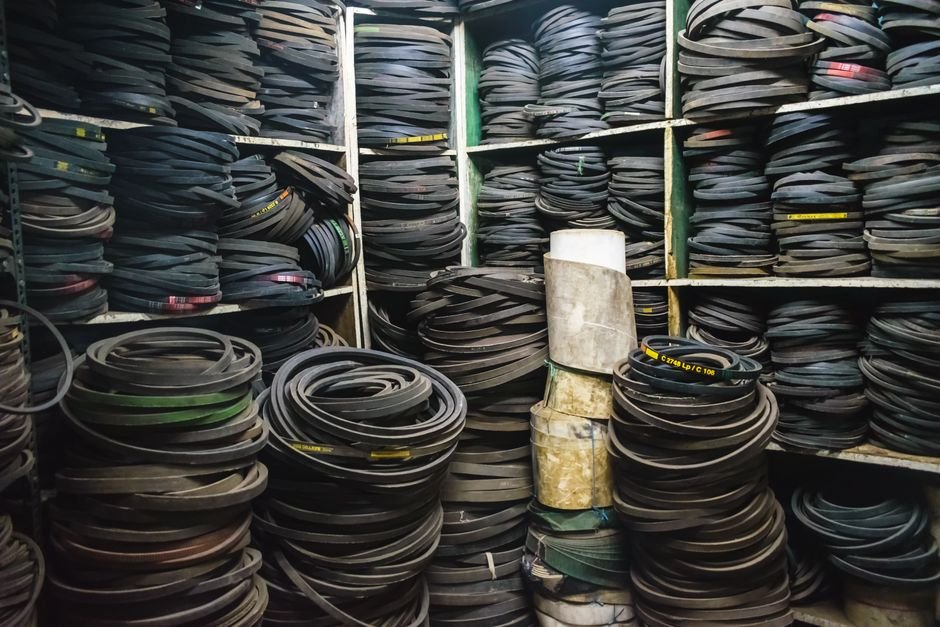
Industrial parts distributor
Large catalogue searchable by part number and specification, contract pricing per customer, stock by branch and quick reorder for maintenance teams.
Contract pricing · Part search · Branch stock

Manufacturer dealer portal
Dealers log in to see their margins, place orders, track dispatch and download invoices and product documents.
Dealer tiers · ERP sync · Documents
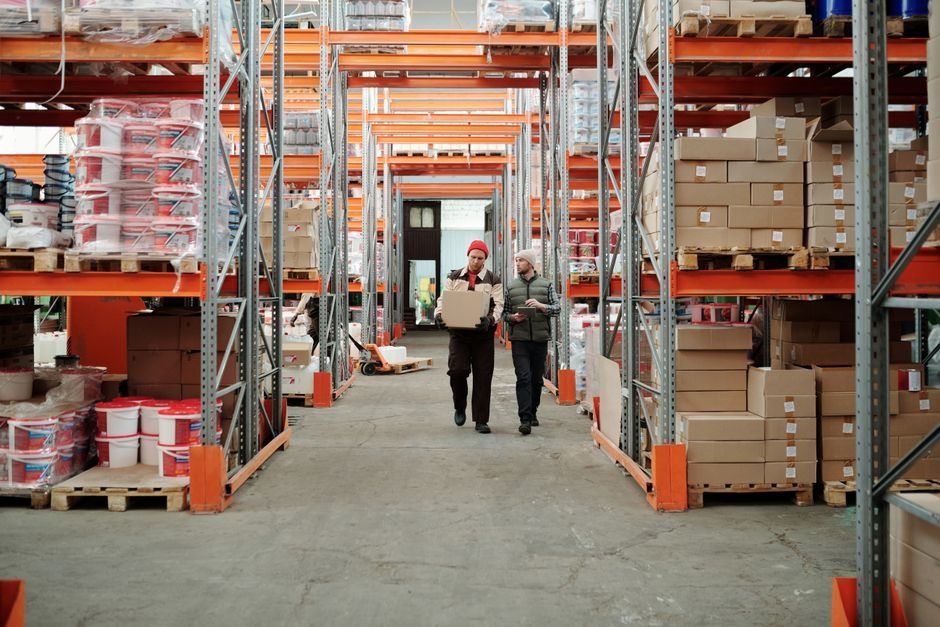
Packaging and supplies wholesaler
Pack-size aware ordering, minimum quantities, repeat-order templates and scheduled deliveries for business customers.
Quick order · Standing orders · Multi-site

Lab and medical supplies seller
Account-restricted catalogues, quote requests for specialised items, approval by department heads and compliance documents on product pages.
RFQ · Approvals · Restricted catalogue

Apparel and textile wholesale
Variant-heavy products, sample requests, bulk orders by size run and buyer-specific pricing for retailers.
Variants · Samples · Bulk orders

Food and FMCG distribution
Retailer and restaurant ordering by phone-friendly screens, route-based delivery slots and credit limits with overdue holds.
Mobile ordering · Credit terms · Delivery slots

Electronics components reseller
Parametric search, bill-of-materials upload, volume break pricing and request-a-quote for scarce parts.
BOM upload · Volume breaks · Quotes

Corporate procurement store
A private catalogue for one large buyer with budgets, approval chains and consolidated invoicing across departments.
Punch-out style · Budgets · Approvals
These are the kinds of projects we take on; we share relevant examples during a call.
Working with Bengaluru businesses
Sigmato is based in Bengaluru, with a team in the UK as well, and many of the manufacturers, distributors and trading companies we speak to sit in Peenya, Electronic City, Whitefield and across the city. We are happy to meet in person for discovery workshops and to join your ops and finance staff on video for the rest.
Our working pattern is simple: a named lead, a weekly demo of working software, a shared board of what is done and what is next, and your ownership of the code, accounts and data from day one. After launch we offer maintenance and monitoring, which matters for a system your buyers depend on to place orders.
Related reading:
Sources and further reading
Standards and references we rely on when building trade portals:
- Google Product structured data documentation
- OWASP Top Ten
- PCI Security Standards Council
- MeitY, Government of India
- Google SEO Starter Guide
- web.dev Core Web Vitals
For data handling we plan around India’s Digital Personal Data Protection Act, 2023 in general terms, and confirm specifics with your legal adviser.
Frequently asked questions
What is a B2B e-commerce website?
It is an online ordering platform for business customers. Buyers log in to company accounts, see their own prices and catalogues, request quotes, place bulk or repeat orders and often pay on credit terms. It usually connects to your ERP so orders, stock and invoices stay consistent.
How is B2B different from regular e-commerce?
Consumer stores sell one price list to anonymous visitors who pay by card. B2B sells to known companies with several users, negotiated pricing, approval chains, purchase orders and invoices. Those needs change the data model, checkout and integrations, so B2B is not a retail theme with a login added.
Can the portal show different prices to different customers?
Yes. Prices can be tied to customer groups, individual accounts, contract dates or quantity tiers, and can come from your ERP or be managed in the portal. We agree the source of truth during discovery and test sample accounts against your current price lists before launch.
Do you support request-for-quote and negotiated orders?
Yes. Buyers submit a list with notes and attachments, your team prices it in an admin queue, and the buyer accepts online. Accepted quotes convert to orders with the agreed price locked. Standard items and quoted items can sit in one basket.
Can you integrate with our ERP or accounting software?
Usually, yes. We connect through the system’s API or a middleware layer and sync products, stock, accounts, orders and invoices. Where the ERP has limited interfaces we explain the options in discovery, and we build retries and failure alerts so orders are never silently lost.
Which platform is best for a B2B store?
It depends on catalogue size, pricing rules and integrations. Shopify suits many moderate cases, WooCommerce gives deeper control, a headless build helps with large or multi-channel setups, and custom suits unusual workflows. We recommend one after discovery and explain the trade-offs in plain language.
Can buyers pay on credit terms?
Yes. Accounts can have credit limits and payment terms, with checkout against a purchase order or limit. Overdue balances can pause credit checkout automatically. New or occasional buyers can pay online using Indian payment gateways, UPI, cards or bank transfer. We set rules with your finance team.
How long does a B2B portal take to build?
General industry experience suggests a focused portal takes a few months, while complex pricing and multiple integrations take longer. Integration effort is the main driver. We give a scoped timeline after discovery and avoid promising dates before we have seen your systems.
How much does it cost?
Cost depends on the number of integrations, pricing and approval complexity, catalogue size and the platform. We do not quote from a form. After a short discovery we give an estimate with the assumptions written down, so you can compare it fairly with other proposals.
Do you provide support after launch?
Yes. Portals that buyers rely on need monitoring, updates, security patches and small improvements. We offer maintenance and support arrangements, and you own your code, hosting accounts and data so you are never locked in. Ask about response expectations when you request a proposal.
Planning a B2B ordering portal?
Tell us how you sell today and we will outline a practical plan for moving it online.