
Website Development Company in Vasanth Nagar, Bangalore: Central and Commercial
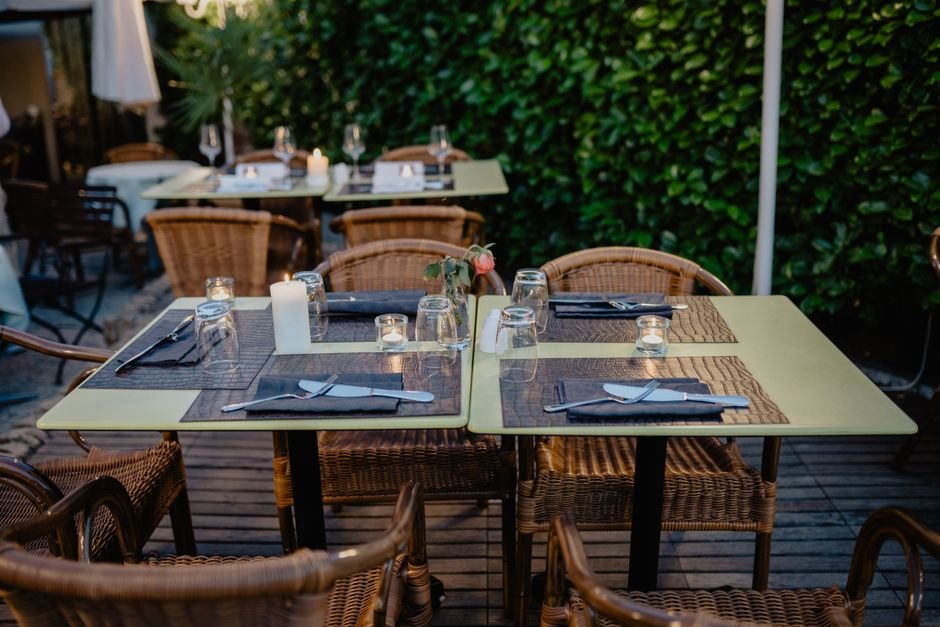
Vasanth Nagar sits close to the centre, with offices, schools, restaurants, and traders.
A central, mixed-use pocket of Bangalore
Vasanth Nagar sits close to the heart of the city, between Cunningham Road, Millers Road, Palace Road and the Race Course area, near the Cantonment side of town. It is a dense mix of offices, apartment buildings, schools and colleges such as Mount Carmel College, hospitals, restaurants, wholesale traders, printers, repair shops and professional services.
A website development company in Vasanth Nagar works with clients whose customers are often within a short distance but still start the journey on a phone search. Because the area is so central, competition is high and visibility counts. Your website needs to be precise about who you are, what you offer and how to reach you.
Office tenants and professional services
Many small and mid-sized firms rent space here: consultants, recruiters, agencies, auditors, legal practices, design studios and software teams. Their websites mostly exist to confirm credibility after an introduction or a search.
Keep the structure simple: a clear homepage, service pages written in plain language, a team page, short project descriptions and a contact page with a map and directions. Mention nearest landmarks and parking or metro access if it helps visitors. Include a downloadable company profile for procurement teams. Because buyers often check several providers quickly, concise, well-organised pages beat long marketing text.
Restaurants, cafes and hospitality
Food businesses along the busy roads here depend on discovery. Diners look for menus, prices, photos, opening hours, parking and reservation options before they leave home. Many sites fail by publishing the menu as a heavy PDF or image that is difficult to read on a phone.
Use a real HTML menu that can be updated quickly, with dietary labels, and add a reservation or table enquiry link. Show consistent opening hours across the site, Google Business Profile and delivery apps. Aggregator listings are useful for reach, but a direct ordering or booking option can protect margins. Photographs should be genuine, well lit and compressed.
Traders, wholesalers and suppliers
Traders in and around the commercial lanes sell to shops, offices and contractors. Their buyers want catalogues, specifications, minimum order quantities and delivery terms. A website for such a business works best as a searchable catalogue with a quotation request form instead of a full shopping cart.
For businesses ready to sell online, see our comparison of Shopify vs WooCommerce and our guide on Shopify store development. Start with your top products, get the data tidy and expand from there. Incomplete catalogues frustrate buyers more than small ones.
Schools, colleges and training institutes
Education is part of the neighbourhood’s character. Institutes need admissions information, course lists, faculty details, fee structures, events and contact paths. A calendar and notice section helps students and parents. Because many users are young and mobile-first, design for small screens and make forms short.
Accessibility is particularly relevant for public-facing educational bodies. Use readable type, proper heading order and good contrast, and review the WCAG accessibility guide when planning layouts and documents.
Local SEO in a crowded centre
When many businesses sit within a few streets, the map pack and review profile often decide who gets the call. Claim and complete your Google Business Profile, pick accurate categories, add photographs and respond to reviews calmly. Be careful that the name, address and phone number match across directories.
On the website, give each service its own page, include location details naturally and avoid copying text across pages. Speed also affects rankings and conversion; our Core Web Vitals article explains how to check it. Expect local search results to build over months, not days.
Choosing the right technology
Most businesses here are well served by WordPress for content sites and Shopify for retail. Choose themes carefully, avoid piling on plugins and keep the design consistent. A custom application is justified only when you have a specific workflow, such as a dealer portal, quotation engine or booking system with back-office integration.
If you are unsure, ask for a simple comparison covering editing ease, cost over three years, security and scalability. A good vendor will explain trade-offs rather than push a single answer.
Maintenance, updates and being easy to meet
One real convenience of working with a team near the city centre is that review sessions are easy to arrange. Use that. Sit with your developer, walk through the pages on your own phone and note anything confusing. After launch, schedule updates for hours, menus, prices and staff, and keep software patched.
Treat the site as a living asset. Update it when something changes, check forms monthly and review analytics every quarter. Our website redesign SEO checklist is useful when you eventually refresh the design without losing search visibility.
Timeline and budget factors
Simple business sites generally launch in a few weeks; catalogues, stores and portals need longer. Budget is influenced by the number of page types, the amount of content to write or migrate, photography, integrations with payment or booking tools, and support after launch.
Ask for a phased plan: a focused first release followed by improvements guided by real data. Clarify in writing who owns the domain, hosting accounts and source files.
Mobile-first behaviour in a busy centre
Much of the traffic to businesses here comes from people already nearby, walking, commuting or between meetings. They search on a phone, glance at two results and decide quickly. Put your address, hours, phone button and map above the fold, keep headings short and make sure tap targets are comfortable for thumbs. Avoid pop-ups that cover the content, and test pages on a mid-range Android phone over a slow connection. If a visitor cannot find your opening hours in a few seconds, they will choose the next listing, even if your service is better.
Tracking what the site is worth
A website should earn its place. Before launch, decide which actions count: calls, form submissions, direction requests, menu views or catalogue downloads. Set up analytics and Search Console, tag those actions and review them monthly. Compare which pages and sources bring real enquiries, then improve those first. Ask new customers how they found you and compare the answers with your data. Even simple reporting stops guesswork and helps you decide whether to invest in more pages, better photography or paid campaigns. Our ecommerce conversion rate optimization article covers testing ideas that also apply to enquiry sites.
Working with Sigmato
Sigmato is a software and mobile app development company with teams in Bengaluru and the UK. We build websites, online stores and web applications for businesses across Bangalore, including central neighbourhoods like Vasanth Nagar. We start with a brief and a written scope, build in stages and stay available for updates and support after launch.
Frequently Asked Questions
What should a Vasanth Nagar restaurant website include?
A readable HTML menu, prices, photos, hours, location and parking details, and a reservation or ordering link. Keep hours consistent with your Google listing and update the menu promptly.
Do traders need a full online store?
Not always. A searchable catalogue with a quote request form suits many B2B sellers. Add online payments once product data, pricing and delivery rules are reliable.
How can a small office stand out in search?
Complete your Google Business Profile, write specific service pages, collect genuine reviews and keep the site fast. Consistent details across directories also help.
Is WordPress suitable for a school or institute?
Yes. It handles notices, course pages and forms well when kept updated and secured. Pay attention to accessibility, document formats and mobile layouts.
How often should the website be updated?
Whenever hours, prices, staff or services change, and at least a quick monthly check of forms, links and software updates. Review analytics each quarter.
Related reading
- Website Development Company in Bangalore: How to Choose the Right One
- Website Development Cost in Bangalore: What You Actually Pay For
- Web Design and Development Company in Sadashivanagar, Bangalore: Discreet and Premium
- Web Development Company in Rajarajeshwari Nagar, Bangalore: For Growing Local Brands
- Website designing company in Bangalore
Planning a website and want a straight answer on scope, timeline and cost? Talk to the Sigmato team and we will review your requirements and suggest the simplest way to get live.
