
Website Development Company in Bangalore: How to Choose the Right One
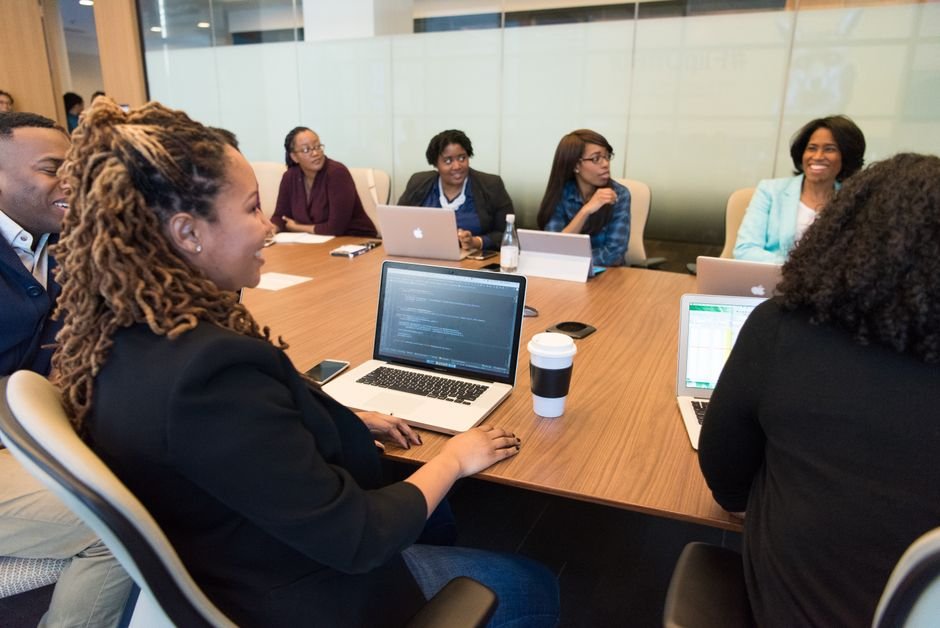
Bangalore has hundreds of agencies, studios and freelancers who build websites. That is good for choice and bad for decision-making. This guide gives you a short, practical process for picking a website development company in Bangalore without relying on a slick sales deck.
Why choosing a website development company in Bangalore needs a process
Bangalore is often called India’s technology capital, and the supply of web talent matches that reputation. You will find large full-service firms near Whitefield and Outer Ring Road, boutique design studios in Indiranagar and Koramangala, product teams inside co-working spaces, and thousands of freelancers. That choice is useful, but it makes a casual decision risky: two proposals that look similar on paper can lead to very different outcomes in speed, quality and support.
A repeatable process protects you. Define your goals first, collect a small shortlist, compare proposals against one written scope, check live work, and only then negotiate price. The rest of this guide walks through each step so you can run it yourself, whether you are building a first brochure site or replacing a platform your business depends on.
Step 1: Write down what the website must achieve
Before talking to any website development company in Bangalore, write one page that answers four questions. What action should a visitor take: call, book, buy, download or sign up? Who are your three most important audiences? Which pages or features are essential for launch, and which can wait? How will you know in six months that the site worked?
This short brief does more for your project than any template. It stops agencies from quoting for the wrong thing, and it lets you compare proposals fairly. If you are building an online store, add your catalogue size, payment methods, shipping rules and GST requirements. If you are building a business site, list the services, locations and proof points such as certifications or client logos that you are allowed to show.
Step 2: Understand the types of providers
Bangalore providers fall into a few groups, and each suits a different situation.
- Freelancers: flexible and often affordable for small, well-defined sites. The risk is continuity if the person becomes unavailable.
- Boutique studios: strong on design and brand, usually working with a small team. Good for marketing sites, portfolios and campaigns.
- Full-service agencies and software companies: offer design, development, QA, SEO and support under one contract. Better for stores, portals and custom applications.
- Product and platform specialists: focus on a single technology such as Shopify, WordPress or headless CMS builds.
Match the provider to the risk. The more your revenue depends on the website, the more value you get from a team with backup, documented processes and a support plan.
Step 3: Check portfolios the right way
Open the portfolio sites on your own phone, on mobile data, and note how quickly they load. Click through the forms, menus and checkout. Check whether the pages look finished on a small screen and whether text is readable. Ask which parts of each project the agency really built, because some portfolios list work where the company contributed only a section.
Ask for two references you can call. Good questions are simple: Did the project finish on time? How were changes handled? What happened when something broke after launch? A company that is confident in its work will connect you quickly. Be cautious about awards and rankings you cannot verify and about portfolios that show only screenshots with no live links.
Step 4: Compare proposals on scope, not only price
Ask every shortlisted company to quote against the same written scope. A fair proposal lists the number of pages and templates, design deliverables and revision rounds, features and integrations, content support, SEO setup, testing, hosting arrangements, training and the post-launch support period. When two quotes differ by a large amount, the gap usually sits in one of these lines.
Pay attention to what is excluded. Common surprises include premium plugin licences, stock photography, copywriting, data migration, security hardening and third-party subscriptions. Ask for a price list for extras so that changes later are predictable. Milestone-based payments tied to deliverables are healthier than a large payment upfront.
Step 5: Check technology, performance and SEO basics
You do not need to be technical to ask good questions. Which platform will be used and why? Who can edit pages after launch? How will the site be kept fast, with compressed images, caching and clean code? Will it be built mobile-first? How are redirects, sitemaps, schema markup and analytics handled? A serious provider will answer in plain language and show you how they test Core Web Vitals.
If search traffic matters, ask how they will structure headings, internal links and URLs, and how they work with your content. Be wary of anyone who guarantees page-one rankings. Good SEO-ready development creates the foundation; rankings depend on content, competition and time. Our guides on Core Web Vitals and website redesign SEO explain these basics.
Step 6: Read the contract carefully
The contract protects both sides. Confirm that you own the code, design files, content and domain on final payment. Check the number of revision rounds, the acceptance process, and what happens if deadlines slip. Make sure hosting and domain accounts are registered in your name, with the agency given access rather than ownership.
Ask what the maintenance fee covers: security updates, backups, uptime monitoring, small content changes or new features. Understand notice periods if you later move to another provider and request documentation so that a new team can take over without starting from zero.
Common mistakes businesses make
- Choosing the cheapest quote without comparing scope, then paying for fixes later.
- Skipping discovery and starting design before goals and content are clear.
- Treating launch as the finish line instead of planning updates, security and improvement.
- Accepting a template look that does not fit the brand or the customer journey.
- Leaving content until the end, which delays launch more than any technical issue.
- Not asking for analytics access, so you cannot judge whether the site performs.
Cost, timeline and what to expect
A simple business website can often be delivered in a few weeks, while stores, portals and custom web applications take months. Cost depends on pages, design depth, features, integrations and content. Instead of chasing an average, ask for a breakdown you can adjust. Our guides on WordPress website development cost and custom web application development help you set expectations before you speak to agencies.
How Sigmato can help
Sigmato Solutions is a software and mobile app development company with teams in Bengaluru and the UK. We build business websites, e-commerce stores, web applications and mobile apps, with design, development, testing and support under one roof. We start with a short discovery conversation, propose a lean first release with a written scope, and share a staging link early so that you can review progress. If you want a second opinion on an existing quote, we are happy to review it with you.
Frequently Asked Questions
How do I choose a website development company in Bangalore?
Write a short brief, shortlist three to five companies, ask each to quote against the same scope, check live work and references, and compare process, support and ownership terms alongside price.
How long does website development take in Bangalore?
A simple brochure site often takes two to six weeks depending on content readiness. Online stores, portals and custom applications take several months.
Should I choose a freelancer or a company?
Freelancers suit small, well-defined projects. A company is safer when the site is critical to revenue, needs multiple skills, or requires ongoing support.
What should I ask before signing a contract?
Ask who owns the code and accounts, what is included in the price, how many revisions are included, what the support period covers and how you can hand over to another team.
Do I need ongoing maintenance after launch?
Yes. Security updates, backups, performance monitoring and content changes should be planned. Agree on a maintenance plan before launch.
Related reading
- Website Development Cost in Bangalore: What You Actually Pay For
- Website Development Company in Koramangala, Bangalore: What Startups Should Look For
- Web Development Company in Whitefield, Bangalore: A Guide for Tech and B2B Businesses
- Website designing company in Bangalore
Planning a website and want a straight answer on scope, timeline and cost? Talk to the Sigmato team and we will review your requirements and suggest the simplest way to get live.
