
Affordable Website Development Company in Bangalore: Small Business Guide
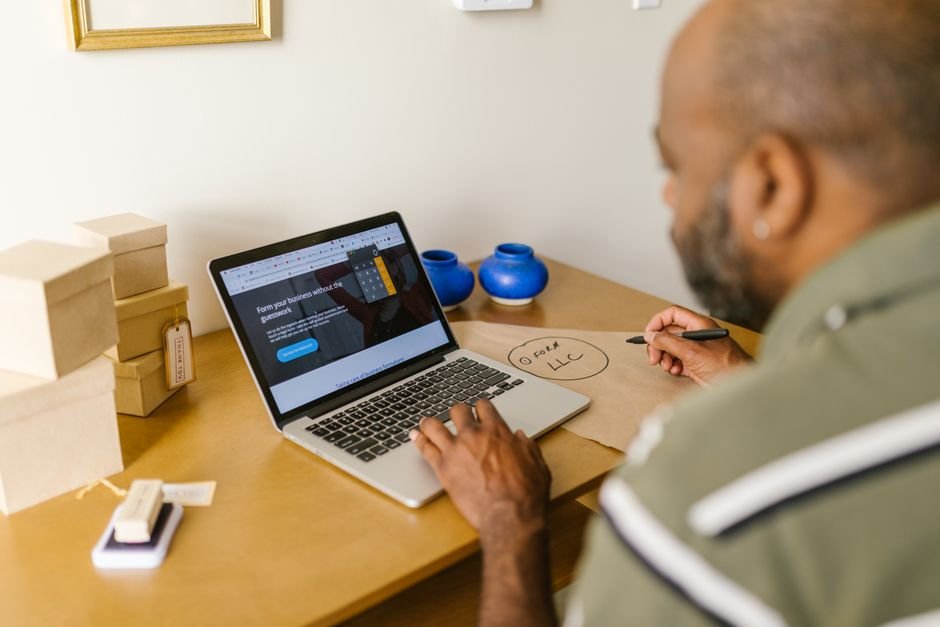
Affordable should not mean cheap and fragile. Here is how small businesses can get a solid site within a limited budget.
What affordable really means for a small business
When a small business owner searches for an affordable website development company in Bangalore, the real goal is rarely the lowest possible price. It is a website that brings enquiries or sales without draining the budget, and without a surprise bill six months later. Cheap and affordable are different things. A very low quote that omits testing, security and support is expensive when the site breaks or has to be rebuilt.
Affordable work comes from sensible scope, proven tools and clear communication. A company that explains what you can skip, what you should never skip, and what can wait until later is giving you value. This guide is written for founders, shop owners, clinics, consultants and local service businesses who want a solid site on a limited budget.
Start with the few pages that earn money
Small budgets work best when every page has a purpose. Begin with the pages that turn visitors into customers: a clear home page, your main services or products, an about page that builds trust, and an easy contact or enquiry page. Add proof such as genuine reviews, photos of your work and your location.
Everything else can follow. A blog, a gallery, a careers page or a members area can wait until the basics prove themselves. Write down your top three goals, for example calls, bookings or purchases, and judge each page and feature against them. If it does not help, postpone it. This discipline is the single biggest way to stay affordable without lowering quality, and a good agency will help you make those choices rather than selling extras. Keeping a written wishlist for phase two stops good ideas being lost while keeping the first release focused, quick to launch and easy to afford.
Use proven platforms instead of reinventing
Custom code is not necessary for most small business sites. Established platforms give you a reliable foundation at lower cost. WordPress suits service sites and blogs; Shopify suits small stores that want to start selling quickly. Our guides on WordPress website development cost and Shopify vs WooCommerce help you pick.
A good theme with careful customisation looks professional and saves weeks of effort. What matters is how it is configured: fast hosting, optimised images, a short plugin list and mobile-first layouts. Be wary of anyone who recommends custom development for a simple brochure site, or who locks you into a proprietary system that only they can edit.
Costs to clarify before you sign
Low headline prices sometimes hide extras. Ask for a written list covering the domain, hosting, SSL, premium themes or plugins, stock photos, email accounts, content writing, revisions and training. Ask which items are one-time and which renew every year.
Also ask about change requests. Small edits after launch, such as updating a phone number or adding a service, should have a clear process, whether through a short support plan or hourly rate. Compare quotes using the same list rather than only the final figure. Our article on how to choose a website development company in Bangalore includes a simple method for doing this properly, and it works equally well for small projects.
Own your domain, hosting and content
One of the biggest long-term costs for small businesses is being unable to move away from a bad vendor. Protect yourself from day one. Register the domain in your own name using your own email. Make sure hosting accounts, analytics, Google Business Profile and any paid licences are held by you, with the agency added as a user.
Ask for a copy of your site files and database on request, and for admin access with the highest role. Keep your logos, photos and text in a shared folder you control. Agencies that are confident in their service have no reason to hold your assets hostage, and owning everything makes it easy to change providers if the relationship does not work out.
Do not skip security, backups and mobile testing
Some savings cost more than they save. Security basics, regular backups and mobile testing should be part of every project, however small. Most visitors will arrive on phones, so check that menus, buttons, forms and phone links work properly on common devices, and that pages load quickly. Our guide on Core Web Vitals explains the measures that matter.
For WordPress, follow the essentials in our WordPress security checklist: updates, strong logins, backups and a minimal plugin list. Simple accessibility habits, such as readable text and descriptive links, also help visitors and search engines. Ask the agency to confirm in writing that these checks are included in the price.
Get found: simple local SEO
A website that no one finds delivers little. Affordable SEO starts with the basics: a clear page for each service, your city and area named naturally in content, unique titles and descriptions, a fast site and consistent business details. Set up and maintain your Google Business Profile, collect genuine reviews and add photos regularly.
Avoid agencies that promise top rankings in days or guarantee positions. Search results depend on competition, content and time. If you are replacing an existing site, make sure old addresses are redirected so you do not lose visitors; our website redesign SEO checklist lists the steps. Plan to add one useful page or article regularly, answering questions your customers actually ask.
Plan for growth so you do not rebuild
The cheapest website is the one you do not have to rebuild in a year. Choose a foundation that can grow: a platform with room for more pages, an online store, bookings or integrations later. Keep design and content separate so you can refresh the look without retyping everything.
Ask the agency how future features would be added and roughly what that involves. If you may eventually need accounts, dashboards or workflow tools, our guide on the startup tech stack helps you think ahead. A phased plan lets you launch an essential first version now and add features when revenue supports them, which is often the most sustainable way to keep costs under control.
Working with Sigmato
Sigmato Solutions is a software and mobile app development company with teams in Bengaluru and the UK. For small businesses we recommend a lean first release on a proven platform, a written scope with clear inclusions, and domain and hosting in your name. We build to be fast, secure and editable by your team, and we say plainly when a feature can wait. If you have a limited budget, share your goals and we will suggest what to prioritise.
Frequently Asked Questions
What is a fair price for a small business website?
A fair price matches the scope, quality and support you receive. Compare written quotes for the same pages and features, and be cautious of unusually low offers that omit testing, security or support.
What can I cut to save money?
You can postpone non-essential pages, custom animations, large photo galleries, blogs and complex integrations. Keep the pages and features that drive enquiries or sales in the first release.
What should I never skip?
Never skip mobile testing, security basics, backups, SSL, analytics and ownership of your domain and hosting. These protect your business and are costly to fix later.
Should a small business use a template?
Often yes. A good template, carefully customised and optimised, looks professional and saves cost. The key is speed, clean configuration and the right content, not a custom design for every page.
How can I avoid hidden fees?
Ask for a written list of one-time and recurring items: domain, hosting, premium plugins, stock images, revisions, training and support. Also ask how change requests are priced after launch.
Related reading
- Website Development Cost in Bangalore: What You Actually Pay For
- E-commerce Website Development Company in Bangalore: What to Expect
- WordPress Website Development Company in Bangalore: A Buyer’s Guide
- Website designing company in Bangalore
Planning a website and want a straight answer on scope, timeline and cost? Talk to the Sigmato team and we will review your requirements and suggest the simplest way to get live.
