
Software & Mobile App Development Company in the Dominican Republic
Mobile apps, web platforms and AI for Dominican businesses in Santo Domingo, Santiago de los Caballeros and Punta Cana, with local payments and DGII e-invoicing.
- NDA & full IP ownership
- Senior engineers
- Working hours that overlap with Dominican Republic
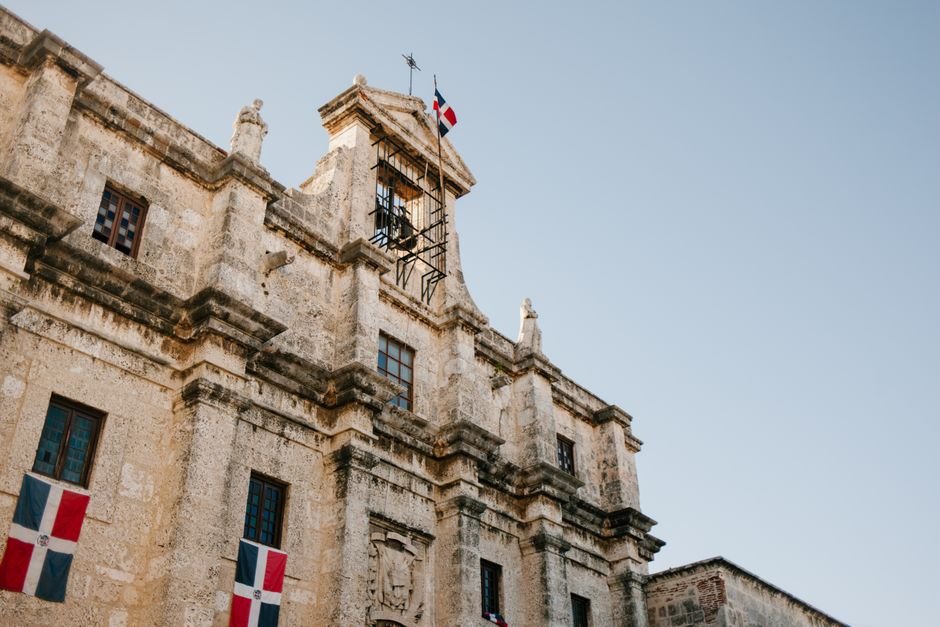
A resort in Punta Cana, a free-zone manufacturer near Santiago and a remittance startup in Santo Domingo have very different software needs, but they share the same constraints: Dominican tax rules, local payment habits and customers who live on their phones. Sigmato is a software development company serving the Dominican Republic with mobile apps, web platforms, SaaS and AI systems. We deliver from our engineering centre in Bengaluru, India, with a branch office in the United Kingdom.
Dominican Industries Ready for Better Software
Tourism, free-trade-zone manufacturing, remittances and construction are the sectors where custom software pays back fastest in the Dominican Republic. Here is how that looks in practice:
- Tourism and hospitality in Punta Cana, Bávaro and Puerto Plata: guest apps, direct booking, excursion marketplaces and staff scheduling. Our hospitality software guide lists the key modules.
- Free-zone manufacturing of medical devices, apparel and cigars: production tracking, quality records and export documentation portals.
- Remittances and fintech: money transfer, digital wallets and microcredit apps serving families who receive funds from relatives in the US and Europe.
- Real estate and construction: off-plan sales portals for international buyers and project management tools; see our notes on real estate app development.
- Contact centres in Santo Domingo and Santiago: bilingual AI assistants, quality monitoring and workforce tools.
Rules That Shape Dominican Apps
Three sets of rules matter most when building software for the Dominican market: data protection, electronic invoicing and financial regulation.
Law 172-13 on personal data
Law 172-13 protects personal data held in files, registers and databases and builds on the constitutional right of habeas data. It requires consent for processing, gives people the right to access, correct and delete their information, and imposes specific rules on credit information bureaus. We implement consent capture, request handling and strict access controls, particularly for apps that use credit data.
Electronic invoicing (e-CF)
Law 32-23 makes electronic fiscal receipts (e-CF) mandatory for taxpayers in phases, administered by the Dirección General de Impuestos Internos (DGII). E-commerce, booking and POS systems therefore need a certified e-CF integration, either direct or through an authorised provider.
Banking and payments supervision
The Banco Central de la República Dominicana regulates the payment system and payment service providers, while the Superintendencia de Bancos supervises banks and financial intermediaries. Fintech founders should confirm their licensing path early; we design the architecture so audit trails, KYC records and transaction limits are ready for that review.

Santiago de los Caballeros deserves a mention of its own: the Cibao region’s manufacturers, agro-exporters and distributors increasingly want dealer portals and sales-rep apps that replace phone and WhatsApp ordering, with stock levels and credit limits visible in real time.
Payments, Language and Mobile Use
Dominican customers mix cards, bank transfers and cash, and tourists add international cards and wallets. A typical integration list includes local acquirers such as Azul and CardNET, instant bank transfers from major banks, mobile payment services offered by local banks, Apple Pay and Google Pay for visitors, and cash collection through bank agents or on delivery. Prices may need to show Dominican pesos (DOP) for residents and US dollars for tourism and property.
Spanish is the national language, but resort, real estate and BPO products almost always need English as well, and sometimes French, German or Russian for specific visitor markets. Android dominates local smartphone use, while visitors bring many iPhones, so we use React Native or Flutter to cover both efficiently. Power and connectivity interruptions still happen outside major centres, so apps save data locally and sync later.
Hiring a Software Development Company: Dominican Republic Hours and Process
The Dominican Republic keeps Atlantic Standard Time (UTC-4) all year. That puts you four hours behind the UK in winter and five in summer, so our UK branch shares your morning and early afternoon. Bengaluru is nine and a half hours ahead, which allows overnight development. A typical engagement runs as follows:
- Free consultation and NDA.
- Requirements workshop and a clickable prototype in Spanish and English.
- Sprint-based development with demos every two weeks.
- Testing of e-CF, payment and booking flows with real test accounts.
- Launch, app-store submission and ongoing support.
Indicative costs (USD): a bilingual guest or booking app often sits between $18,000 and $50,000; a fintech or multi-property platform between $55,000 and $140,000. These ranges are indicative, and your quote will depend on scope.
Frequently Asked Questions
Does my online store need e-CF invoicing?
Under Law 32-23, most taxpayers are being moved to electronic fiscal receipts on a phased timetable. Check your date with the DGII or your accountant; we can build the integration so you are ready before it applies.
Can you build a remittance or wallet app?
Yes, technically. You will need the appropriate authorisation or a licensed partner, and we design onboarding, KYC and transaction monitoring to support that.
Can our hotel app connect to our property management system?
Usually, yes. Most modern PMS platforms provide APIs, and we confirm access during discovery before committing to features.
Should our app be in Spanish, English or both?
For domestic retail, banking and government suppliers, Spanish alone is often enough at launch. Tourism, real estate and outsourcing products should be bilingual from the start. We build every app with translation files, so adding a language later is a content task rather than a rebuild.
Why work with a team outside the Dominican Republic?
Local developers are in demand from foreign firms, so senior hiring in Santo Domingo can be slow and expensive. An offshore team gives you experienced engineers within weeks, while your local staff keep ownership of the product, customers and regulators.
Let’s Build Something for the Dominican Market
Share your project idea, the cities you serve and the payment methods your customers use. We will return a clear plan and estimate.